Rogersestatecoffees.co.uk Acquired
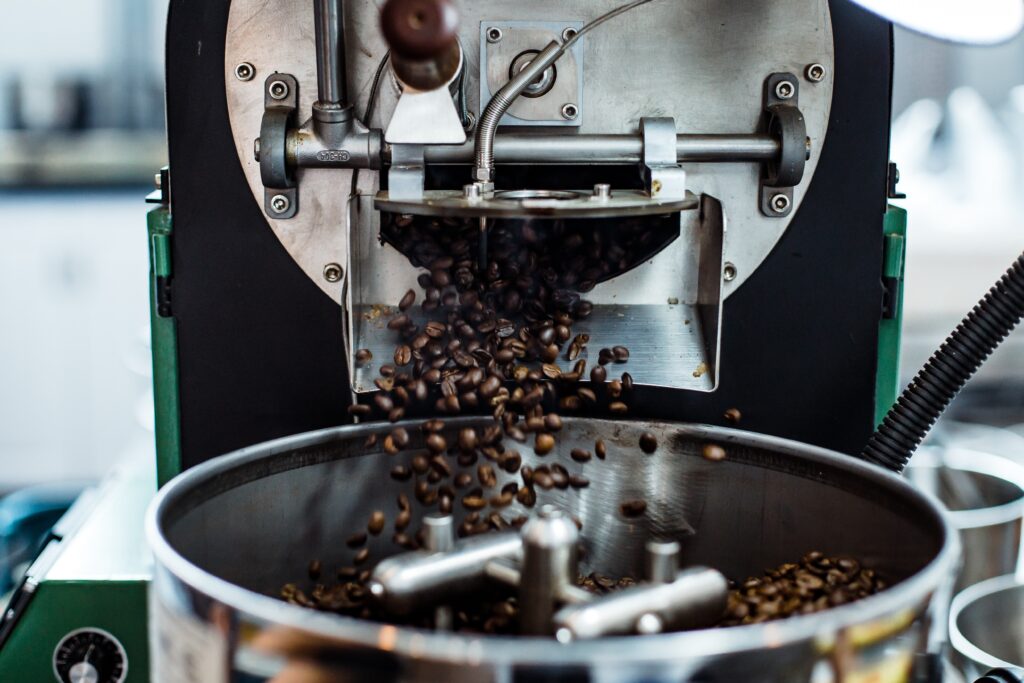
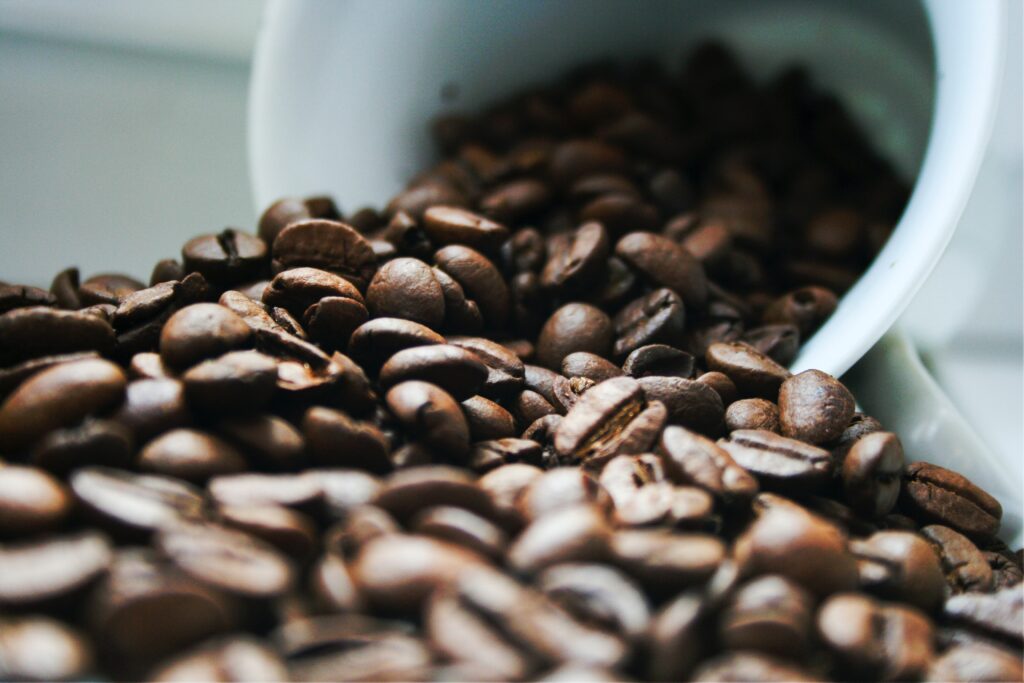
Whole bean coffee
Whole bean coffee is a popular choice today amongst the world’s coffee drinkers. When you buy whole bean coffee, you will have to grind the beans yourself. It is best to do this just before you brew the coffee. This will give you a fresh and more complex taste when compared with ground coffee.
Coffee
Coffee has been around for several hundred years, indeed it can be traced back to the 9th century AD. It is now the world’s most popular drink and there are many varieties to choose from. Coffee is produced from plants. Their seeds are picked before being processed and dried. There are various methods of processing the coffee and this will produce different flavours.
Is whole bean coffee better to buy?
If you want to enjoy the best possible flavour from your coffee, it is better to buy the beans whole. Often overlooked, grinding is a key part of the process of brewing coffee. It is important to use a good grinder to extract enough flavour from the beans.
What’s the difference between whole bean coffee and ground coffee?
As whole bean coffee is ground just before brewing, it will normally have a fresher taste and have more flavour than pre-ground coffee. The bean will retain more flavour and fragrance before it is ground. It will therefore stay fresh in your pantry for a longer time.
Is whole bean coffee better than ground coffee?
Whole beans have more flavour and produce a fresh quality that you are looking for in your rich cup of coffee. Ground beans, however, will lose their fragrance more quickly when a new bag of beans is opened.
Are whole beans cheaper to buy than ground beans?
As a general rule, there is little difference between the price of whole bean and ground coffee beans. Indeed, many brands price their pre-ground and whole beans the same.
How do I store whole bean coffee?
If you have purchased the best coffee beans, you will want to ensure that you store them properly. They should be kept in an airtight container and stored in a cool, dry place. Ideally, use an opaque container, as too much light may spoil the taste of your beans. Generally, your beans should be consumed two weeks after opening the packaging in order to give you maximum freshness.
Can I store coffee beans in the refrigerator?
To retain the freshness of your best coffee beans, you should keep the beans away from light, heat, moisture and air. You should not freeze or refrigerate coffee beans. Not only might they become damp, they could become contaminated by other foods.
How do I choose the best whole bean coffee?
There are a few simple steps that you can take to help you to choose the best coffee beans.
Get to know your own preferences
Coffee aromas include: nutty, smoky, flowery or herby. For taste, you may want to consider: bitter, sweet, salty or sour. What do you like?
Choose coffee beans based on your preferences
When you have found what flavours you prefer, you can choose your beans accordingly.
Decide how much caffeine you want
Caffeine is a stimulant and can make you feel more energetic and alert. However, it may also cause an upset stomach and insomnia.
Buy your beans from a reputable coffee roasting company
There are many speciality coffee companies available, so do your research.
Check the roast date of your coffee
Your reputable roaster should indicate a roast date. They should suggest that the coffee is consumed within a particular number of days to enjoy it at its best.
Avoid buying coffee beans labelled as “100% coffee”
Look for specific details of how the coffee has been produced, to give you the best coffee beans. Without clearly defined information, your coffee beans may not be pure.
Is grinding your own coffee beans cheaper?
Generally speaking, grinding your own coffee beans is around half of the cost of using pods. Putting it simply, if you are a regular coffee drinker, you will soon notice the savings.
Speciality coffee
Once you have decided on your coffee preferences, you may wish to try a speciality coffee. A speciality coffee refers to the highest possible quality of coffee. It more often indicates that the coffee has been grown within a particular geographical area. Italian roast coffee is a popular choice. It will provide you with excellent value and a variety of coffee options.
Bulk coffee beans
Coffee is a popular choice of beverage with many people. If you are looking to make savings, you may wish to try buying bulk coffee beans. It’s not just money that you will save. There are a few examples of the advantages of buying bulk coffee beans.
Cost
Buying directly from a coffee wholesaler will enable you to cut out the middleman. Rather than buying in small quantities, you should make a considerable saving by buying in bulk.
Choice
A small supplier may only be able to offer the most popular brands. A coffee wholesaler, however, should be able to offer you much more choice of coffee blends and roasts. With a wholesaler, you should have plenty to choose from.
Quality
Bulk buying coffee beans should give you more choice in selecting the quality of beans. You won’t have to rely on the selection available from the retailer on a particular day.
Freshness
Fresh coffee beans taste the best. A busy wholesaler will sell large volumes of beans. A quick turnaround will mean that the coffee you buy will always be fresh.
Faster delivery
Buying online is a quick and easy way to buy bulk coffee beans. Many wholesalers will offer delivery the next day. It couldn’t be easier to get the beans you want.
Coffee choice
Whatever coffee beans you choose, it’s worth taking your time to discover the best whole bean coffee for you. Don’t forget to check out the speciality coffees available, such as Italian roast coffee. You should always grind your coffee just before it is brewed. To ensure your coffee stays fresh and tasty, store it in an airtight container and protect it from light and moisture. Always read the label to ensure that it is the finest quality.